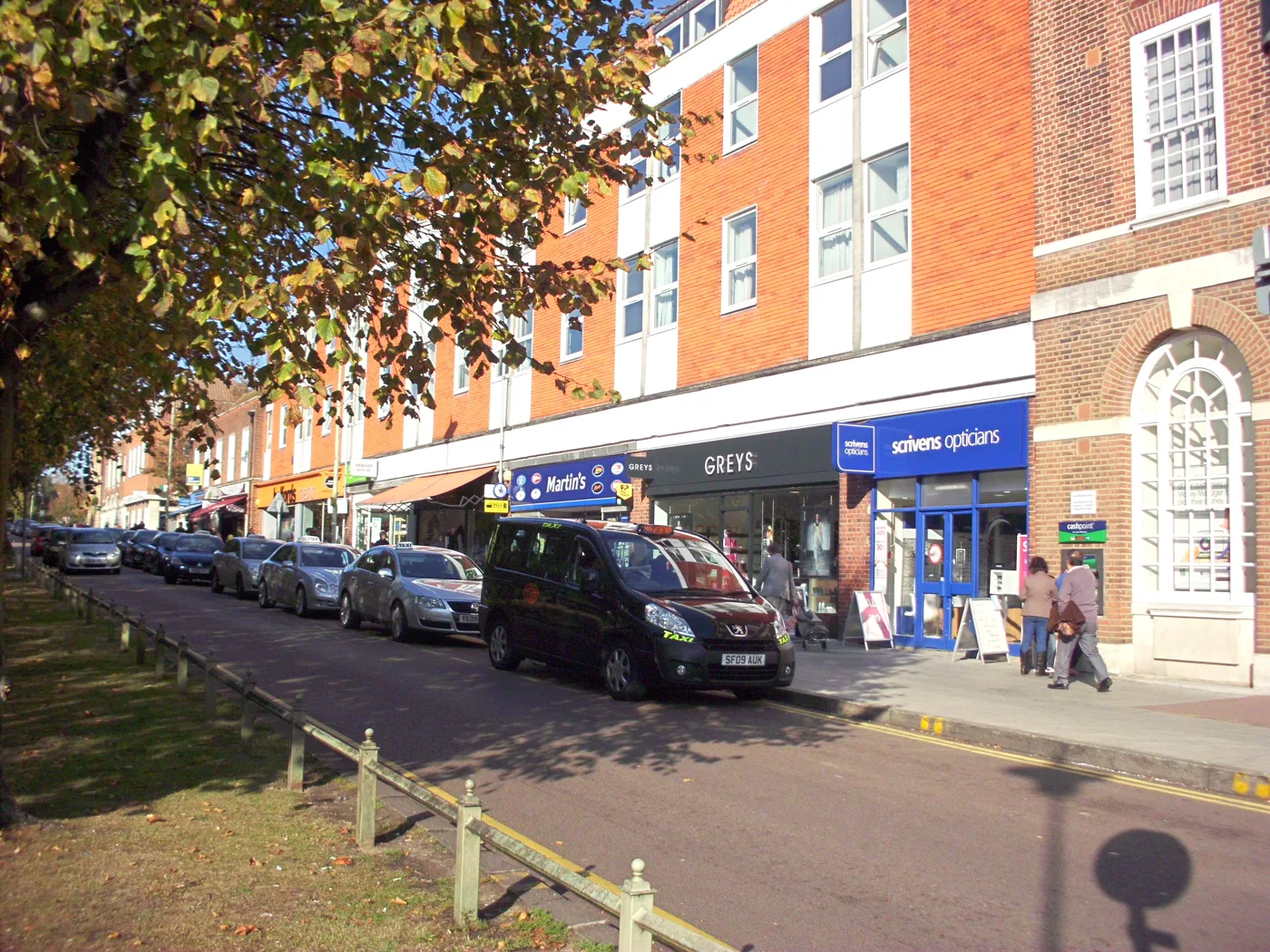

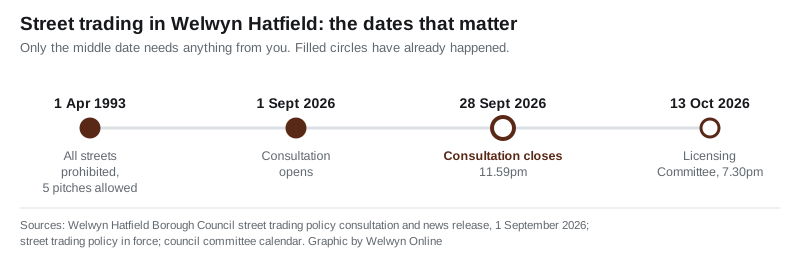
Every street in the borough would become a consent street, replacing a 1993 rule that allows just five. The consultation closes 11.59pm on 28 September.
Welwyn Hatfield Borough Council wants to open every street in the borough to street trading, subject to a licence. The consultation closes at 11.59pm on Monday 28 September.
The change would replace a regime that has stood since 1 April 1993. Under the policy in force today, every street in Welwyn Hatfield is a prohibited street, and the council has designated only five consent streets where trading is allowed at all. Its current policy is blunt about the result: “Due to the very limited number of consent street pitches it is rare for a street trading pitch to become available.”
The draft would turn that on its head. All streets in the borough would become consent streets, meaning anyone can apply to trade anywhere, and nobody may trade without permission first.
What is actually changing
| Policy in force | Draft policy | |
|---|---|---|
| Default status of a street | Prohibited | Consent |
| Places you may trade | Five designated consent streets | Anywhere in the borough, with consent |
| Private land, such as a business car park | Council "does not issue" consents | Council issues consents, landowner's permission also needed |
| Who decides an application | A licensing sub-committee of councillors | A licensing officer |
| In force since | 1 April 1993 | "To be determined post consultation" |
The move from a councillor sub-committee to a single officer is the part the council’s announcement does not mention. Paragraph 3.3.3 of the draft says applications “will be determined by a Licensing Officer”, where the existing policy convenes a licensing sub-committee to choose between rival applicants for a scarce pitch. In both the old policy and the new one there is no right of appeal against a refusal, a refusal to renew, or a change to a condition.
What counts as a street
Far more than a road. The Local Government (Miscellaneous Provisions) Act 1982 defines a street as any road, footway, beach or other area the public can reach without paying, plus a service area. The council’s own consultation page spells out what that catches locally:
- roads and footways
- car parks
- industrial estates
- parks
Trading on private land would also need the landowner’s permission on top of the council’s consent.
What a trader would have to do
The draft sets out the same tests for a new pitch anywhere in the borough:
- apply on the council’s prescribed form, with a photograph and a description of the stall or van, its size, colour, signage and the products to be sold
- put up a public notice at the proposed site, in a form and position the council prescribes. Failure to advertise means the application is rejected and the fee is not refunded
- wait out a 28 calendar day public consultation on the pitch
- hold at least £5m of third party and public liability insurance
- register as a food business if selling food
- hold a food hygiene rating of at least 3. A consent can be revoked if the rating drops below that
Trading in a consent street without consent is a summary offence carrying a fine of up to level 3 on the standard scale, currently £1,000.
What it costs, which the consultation does not say
The draft policy contains no fees at all. It says only that fees “will be reviewed and approved on an annual basis and published on the WHBC’s website”. They are in the council’s fees and charges schedule for 2026/27, agreed with the budget:
- £236 a year for each day of the week you trade, up from £227, a rise of 4.0%
- so a Saturday-only pitch costs £236 a year, and a five-day-a-week pitch £1,180
- not-for-profit organisations are exempt from application fees
- there is an extra administration fee to vary a consent, and no refund if you give one up
Who would not need consent
The 1982 Act exempts a list of traders, and the draft repeats it:
- a pedlar holding a pedlar’s certificate
- a trader at a charter or licensed market, or a charter fair
- a news vendor selling only newspapers and periodicals
- a petrol filling station, or a shop adjoining one
- goods sold in the street as an extension of an adjoining shop’s ordinary business
- a roundsman
- a trunk road picnic area, of which the council says there are none in Welwyn Hatfield
- authorised charitable street collections
There is also a threshold that matters for anyone organising a food or craft event: five or more stalls at one time counts as a market, which falls outside this policy altogether.
Two things in the document that need fixing
The draft is headed “Street Trading Policy 2024-2029” even though it is being consulted on in September 2026, and its effective date, review date and the date the new designation takes effect are all left as “to be determined” or blank.
It also cites the wrong Act for its central definition. Paragraph 1.3.4 defines a street by reference to “section 329 of the Highways Act 1990”. The definitions table at the back of the same document says the Highways Act 1980, which is correct: there is no Highways Act 1990. The error is carried over word for word from the existing policy.
What it means for you
If you have wanted to run a coffee van, a burger trailer or a market stall in Welwyn Garden City or Hatfield and been told there was nowhere to put it, this is the change that would let you apply. You would still need to survive a 28-day consultation on your pitch, insure it for £5m, and pay £236 for every day of the week you plan to trade.
If you live on a residential street, the same change means an application could in principle be made for a pitch near you. The site notice and the 28-day consultation are the point at which you get to object, and the council’s list of grounds is practical rather than about taste: road safety, accident records, noise, litter, vermin, odour, fumes, conflict with waiting restrictions, blocked footways, and sight lines at junctions and crossings.
The council does not publish a public register of street trading consents, so there is no way to see from the website who currently holds the five pitches. The other licensing registers are on the council’s public registers page.
How to respond
Read the full proposed policy and respond through the council’s street trading policy consultation page. It closes at 11.59pm on Monday 28 September 2026.
The council’s news release says responses will go to its Licensing Committee on Tuesday 13 October, which the council’s own calendar confirms is meeting that evening at 7.30pm in the Council Chamber at The Campus. The consultation page itself says only “a future Licensing Committee”.
Sources
- Council consults on proposed changes to street trading rules, Welwyn Hatfield Borough Council, 1 September 2026, for the announcement and the Licensing Committee date.
- Street Trading Policy consultation, Welwyn Hatfield Borough Council, for the closing date and time and what counts as a street.
- Proposed Street Trading Policy for consultation, September 2026 (PDF), for the consent street designation, the application requirements, the £5m insurance and hygiene rating 3 thresholds, the determination by a licensing officer, the absence of an appeal right, the exemptions, the five-stall market threshold and the fees clauses.
- Street trading policy in force, Welwyn Hatfield Borough Council, for the 1 April 1993 prohibited-street designation, the five consent streets, the licensing sub-committee process and the position on private land.
- General Fund fees and charges 2026/27 (PDF), for the £227 to £236 street trading consent fee.
- Sentencing Act 2020, section 122, for the £1,000 value of a level 3 fine.
- Local Government (Miscellaneous Provisions) Act 1982, Schedule 4, the statutory framework for consent streets.
- Welwyn Hatfield Borough Council committee calendar, October 2026, for the Licensing Committee date and time.
Have your say